Design for a more resilient city.
How can industrial design help Santa Fe become more resilient, starting with the people who hold its communities together?
- Type
- Design research · Research scholarship
- Context
- Cientibeca, Universidad Nacional del Litoral (UNL) · LIDEM, Faculty of Architecture, Design and Urbanism · Aug 2017 – Dec 2018 (15 months)
- Role
- Researcher (individual project) · Supervised by Laura Badella
- Methods
- Interviews · Surveys · Field visits · Case analysis · Literature review

- 3 research phases
- Presented at 3 academic conferences
01Overview
Design and resilience in Santa Fe
Santa Fe was part of the 100 Resilient Cities network. My research scholarship (2017–2018) explored how industrial design could contribute to the city’s resilience strategy, and ended with a real design experience at La Funda, a non-profit foundation that worked with children.
02Context
Santa Fe’s Strategic Resilience Plan, part of the 100 Resilient Cities initiative, included 50 actions to face challenges like social exclusion, climate change and flooding. The city was also part of the Creative Cities network. My question was: what could industrial design add to these actions in practice?
I reviewed three actions of the strategy in depth:
- Inclusion program for informal urban waste collectors
- Work schools
- Action 27: Peri-urban gardens
03Research approach
A qualitative study in three phases.
- 1PresageUnderstanding Santa Fe as a resilient and creative city. Literature review, concept maps, interviews with the city’s Vice Director of Resilience and a municipal agent, and field visits to the Santa Fe Environmental Complex and the civil association Dignidad y Vida Sana.
- 2ProcessDefining key concepts and analyzing design references. Relational analysis between resilience and design.
- 3ProductA design experience at La Funda, from context and user analysis to a design response tested in practice.
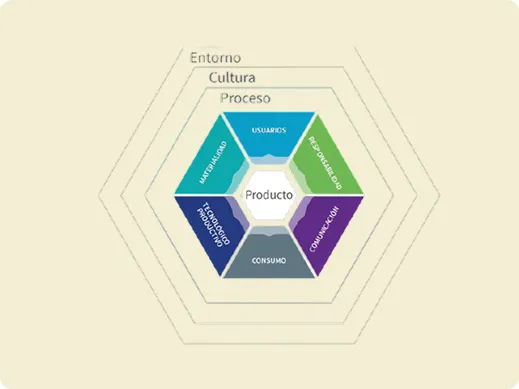
Five concepts linking design and resilience
- Responsible use of natural resources
- Designer ethics
- Local development
- Citizen participation
- Capacity of people and context
04Design references
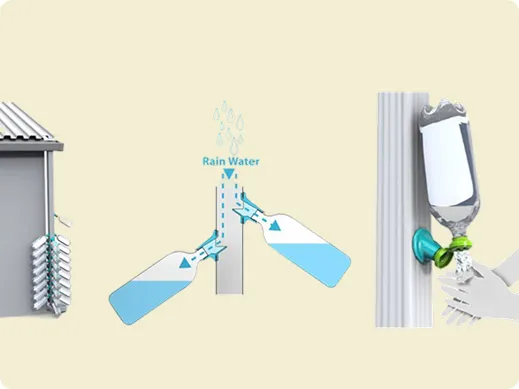
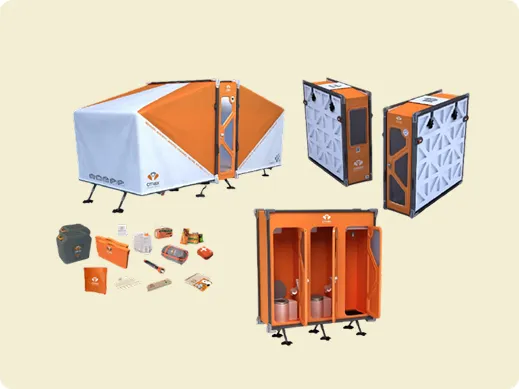
I analyzed national and international industrial design projects using four criteria: social design, innovation, tool and sustainability.
05Fieldwork at La Funda
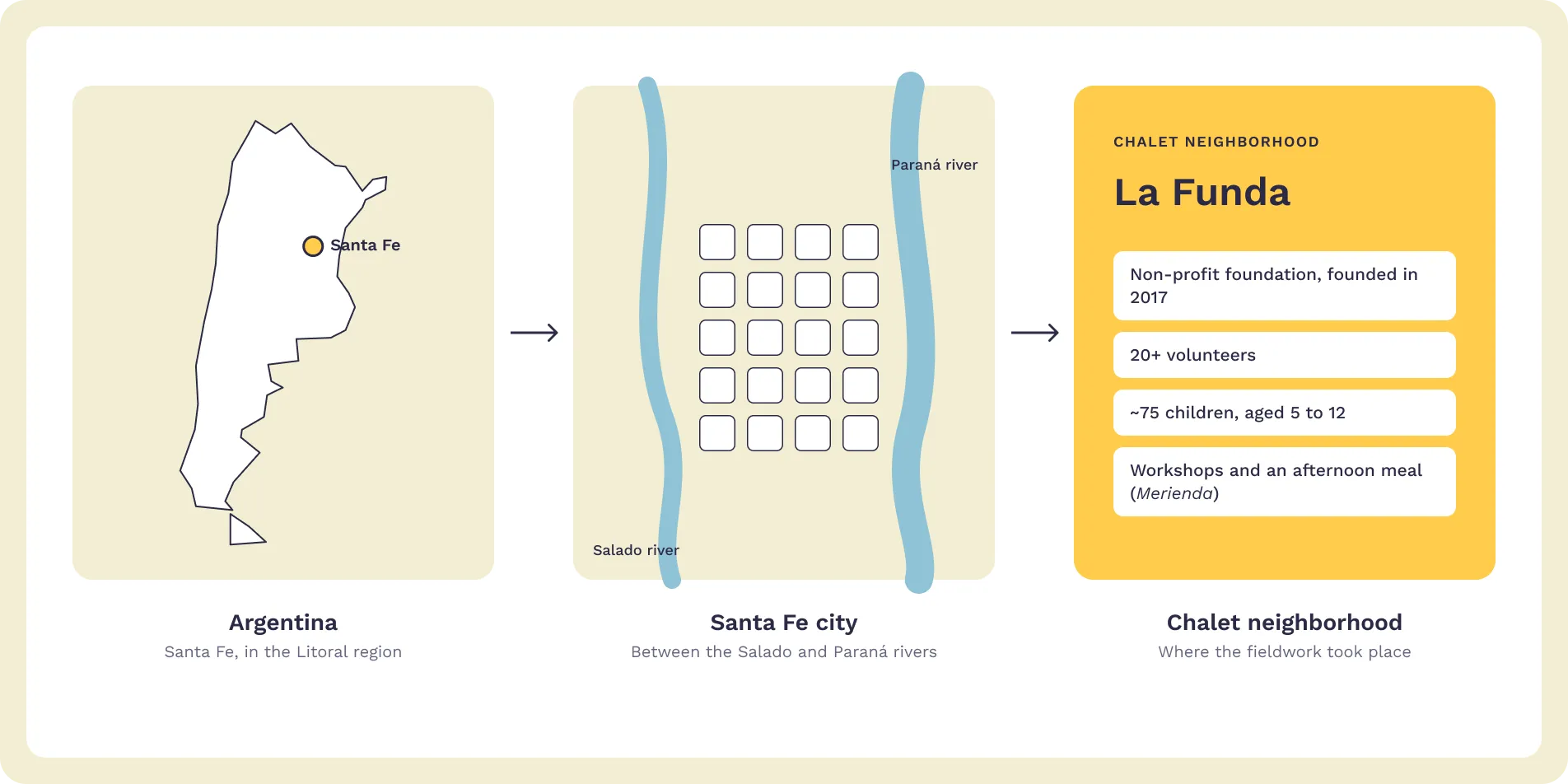
La Funda was a non-profit foundation in the Chalet neighborhood of Santa Fe, founded in 2017. At the time of the research, more than 20 volunteers offered workshops and an afternoon meal (merienda) to around 75 children aged 5 to 12. The neighborhood faced poor access to running water, open dumps and precarious housing, and many children faced difficult situations at home and irregular school attendance.
I interviewed the general coordinator and surveyed the volunteers to understand how workshops are planned, which resources they have and what gets in the way.
06Design intervention
The workshop
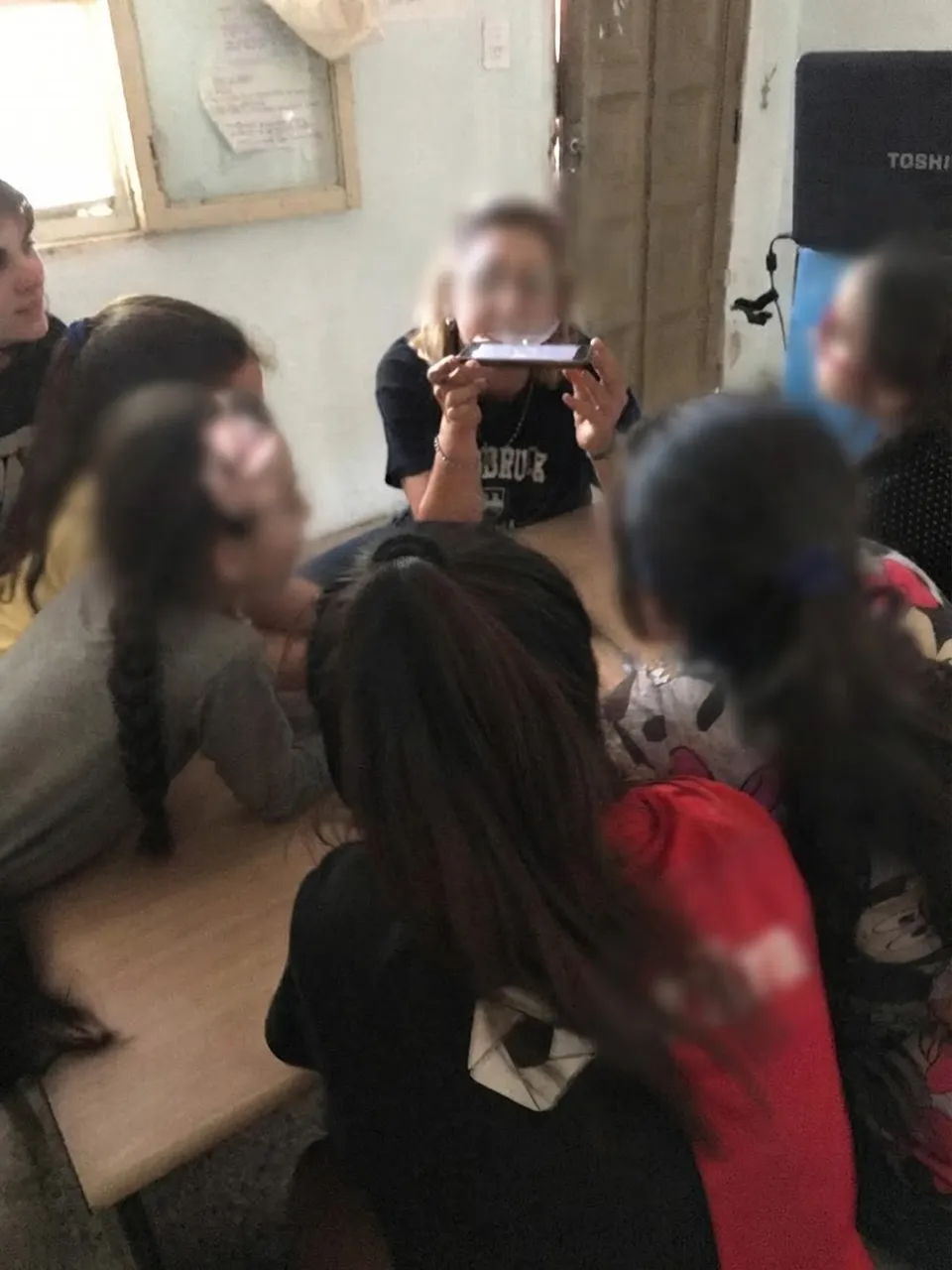
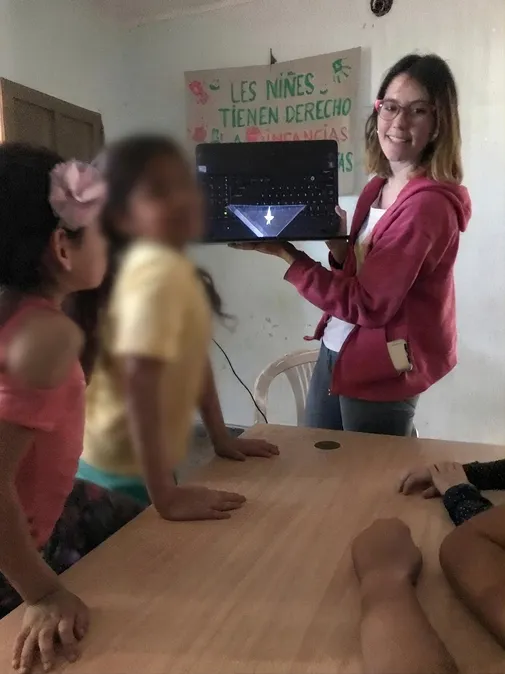
I planned and ran a workshop about marine animals for around 15 children, in a space with very limited resources and no internet.
Materials I designed
- A hologram pyramid on a phone, showing marine animals in their habitat: learning through technology
- Printed sheets to learn the name of each animal
- Truncated cones for tactile learning
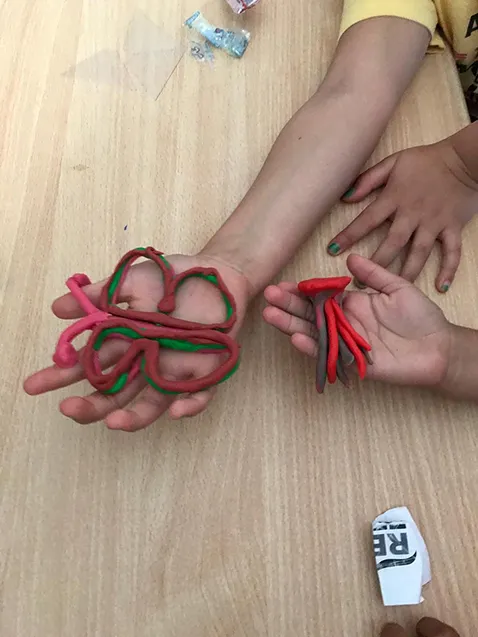
- Plasticine to model the animal they had just discovered
What I observed
It worked, but children got distracted quickly.
Making things with their hands was the strongest moment: the plasticine was the best idea of the workshop.
07Design proposal
Idea
A virtual platform where volunteers and professionals from the city’s associations exchange workshop techniques and processes, find materials easily and create workshop content together.
Why
It builds a collaborative network among non-profit associations in Santa Fe, helps volunteers share resources and save workshop time, supports how they organize themselves and their tools, and could become part of the city’s cultural activities.
Eight years later, this idea became banda.
Read the banda case →08Outcomes & reflection
Presented at
- 2017
- XXI Meeting of Young Researchers, UNL · “Santa Fe: Resilient City. Design and Resilience”
- 2018
- XXII Meeting of Young Researchers, UNL · “Thinking resilience through industrial design”
- 2018
- XIII Latin American Design Meeting, Universidad de Palermo, Buenos Aires
What I learned
Linking design and resilience means starting from basic social needs: responsible use of resources, ethics, local development and the participation of the people involved. This research taught me methodological precision, analytical thinking and how to organize a long project on my own. Above all, it showed me that good design for communities starts by listening to them, which is still how I work today.
